Fire-protection engineering for building systems, project requirements and complex fire-safety environments.
RTek provides mechanical fire engineering support for projects where fire protection needs to be considered as part of the wider building design, infrastructure and operational requirements.
This work can involve assessing fire risks, planning and coordinating fire detection and suppression systems, and considering areas such as smoke control, ventilation, compartmentation and evacuation requirements as part of the overall fire-safety approach.
RTek works with the requirements of the property and project to help ensure that fire-protection systems are appropriately planned, coordinated and integrated with the building systems around them.
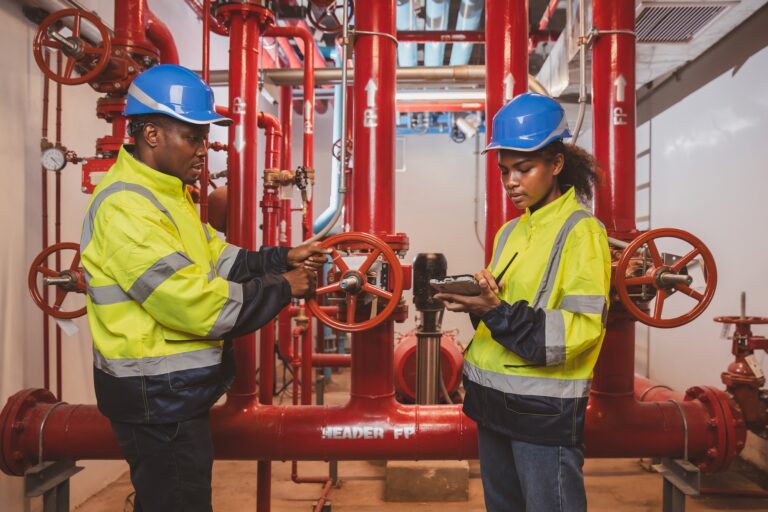
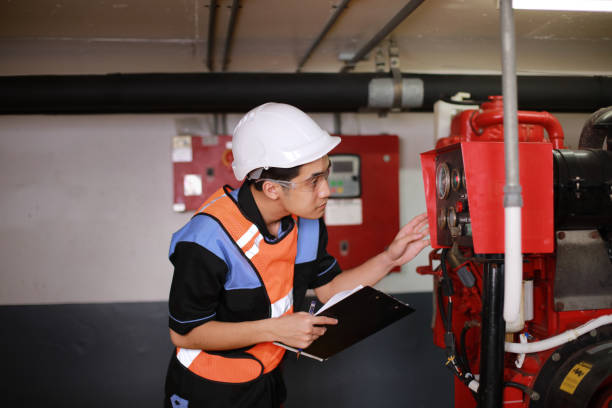
Mechanical fire-protection requirements are considered in relation to the building layout, intended use, identified fire risks and other systems that need to operate alongside the fire-protection design.
RTek can support the coordination of fire detection, suppression and associated mechanical fire-protection requirements through the relevant stages of a project.
RTek provides mechanical fire engineering support across Cape Town and the wider Western Cape, with project work also available in the Northern Cape depending on the scope and requirements.
Support is available for projects across areas including Parow, Bellville, Brackenfell, Stellenbosch and surrounding areas.
Planning a project outside these areas? Contact RTek to discuss the location and engineering requirements.
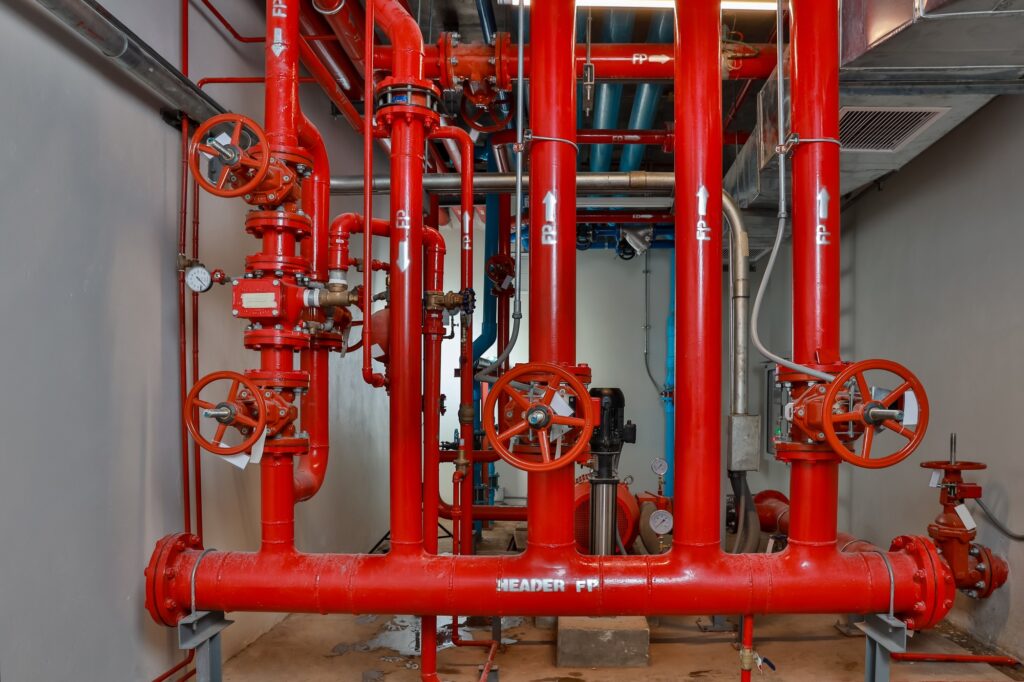
Planning fire-protection requirements alongside the wider building systems can help identify clashes, unsuitable layouts and other issues before installation work progresses.
System requirements can be developed around the actual building, occupancy, fire risks and operational needs rather than applying the same approach to every project.
Engineering input can help connect the initial fire-safety requirements with system planning, coordination and the work required during implementation.
Mechanical fire engineering applies engineering principles to the planning and coordination of fire-protection measures within a building or project.
Depending on the requirements involved, this can include fire detection and suppression systems as well as considerations relating to smoke control, ventilation, compartmentation, evacuation and the interaction between fire-protection systems and other building services.
Fire-protection systems do not operate independently of the building around them.
Mechanical fire engineering helps ensure that fire-safety requirements are considered alongside the layout, occupancy, building services and operational requirements of the property. This can help identify design or coordination issues before they become more difficult to resolve during installation.
That depends on the type, size, complexity and use of the building, as well as the fire-protection systems and regulatory requirements involved.
Larger developments, specialised environments and projects involving more complex fire-protection requirements may require additional engineering input during planning, coordination or implementation.
RTek can review the project requirements and help determine the appropriate next step.
The scope depends on the individual project, but mechanical fire engineering may involve areas such as:
The exact engineering scope should be determined according to the building and project requirements.
Yes. Mechanical fire engineering may be required for new developments as well as alterations, upgrades or changes to existing buildings.
Existing systems and building conditions may need to be reviewed where the property is being modified, its use is changing or fire-protection systems require upgrading or further coordination.
Mechanical fire-protection work may be subject to South African building, fire-safety and system-specific requirements depending on the type of project.
RTek considers the standards, codes and regulatory requirements applicable to the particular system and scope of work. Project-specific requirements should be confirmed during the engineering and planning process.
Existing systems and building conditions may need to be reviewed where the property is being modified, its use is changing or fire-protection systems require upgrading or further coordination.
Whether you are working on a new development, upgrading an existing building or dealing with more complex fire-protection requirements, speak to RTek about the engineering and system requirements of your project.

Need mechanical fire engineering support or want to discuss an upcoming project? Send RTek the property location, project details and the fire-protection requirements involved so the team can review the scope and advise on the next step.